

- This event has passed.
Water Quality Talk by Dr. Andy Lazur


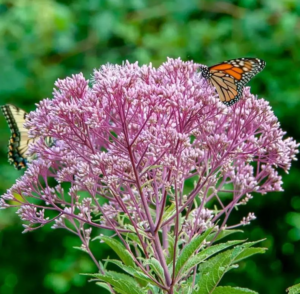
University of Maryland’s Sea Grant and Watershed Stewards Academy programs are providing free native plants to those who reserve their spot for this continuing education session.
Private wells and onsite septic systems serve millions of residents across the Chesapeake Bay watershed, yet they remain among the least regulated components of our water infrastructure. At the same time, emerging contaminants—including per- and polyfluoroalkyl substances (PFAS/PFOS) and microplastics—are increasingly being detected in groundwater and surface waters, raising new concerns for human health and environmental quality.
This session, led by water quality specialist Dr. Andy Lazur, will provide an overview of how well and septic systems function, common pathways for contamination, and the growing body of research surrounding emerging contaminants. Participants will explore how PFAS, PFOS, and microplastics enter and move through the environment, their potential impacts, and current gaps in monitoring, regulation, and public awareness, and what, if anything, can be done on the household level to avoid these contaminants.
The session will also highlight practical strategies for Watershed Stewards and Howard County residents to better engage homeowners, agricultural communities, and local decision-makers on these topics. Emphasis will be placed on translating complex science into actionable guidance, improving risk communication, and identifying opportunities for outreach, education, and collaboration.
By the end of the session, participants will be better equipped to:
- Understand the connections between wells, septic systems, and groundwater quality
- Describe sources and risks associated with PFAS, PFOS, and microplastics
- Communicate effectively with communities about emerging water quality concerns
- Integrate these topics into existing water quality and community programming
This session will strengthen participants’ capacity to address evolving water quality challenges and support more informed, resilient communities.